Skip to content

The Anvil Still Rules

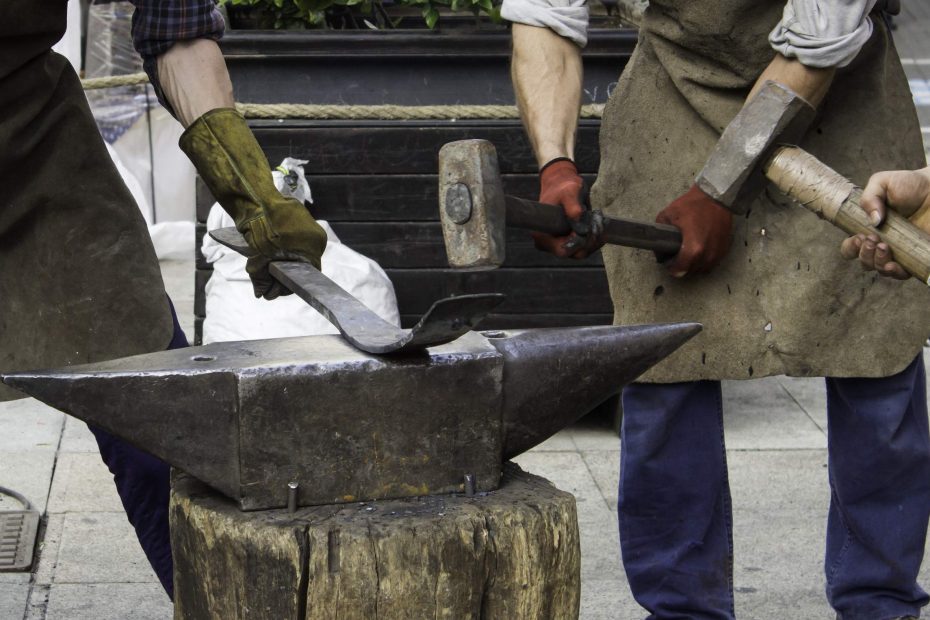
If you ask almost anyone who has even a cursory understanding of the trade what is the most essential tool in a blacksmith’s arsenal, you will be answered with “the anvil.” For a long time, it served as the main platform from which hot metal was forged and finished. Even as the modern world has changed, so too have blacksmithing tools, yet the anvil still… 
From Raw Material to Work Piece

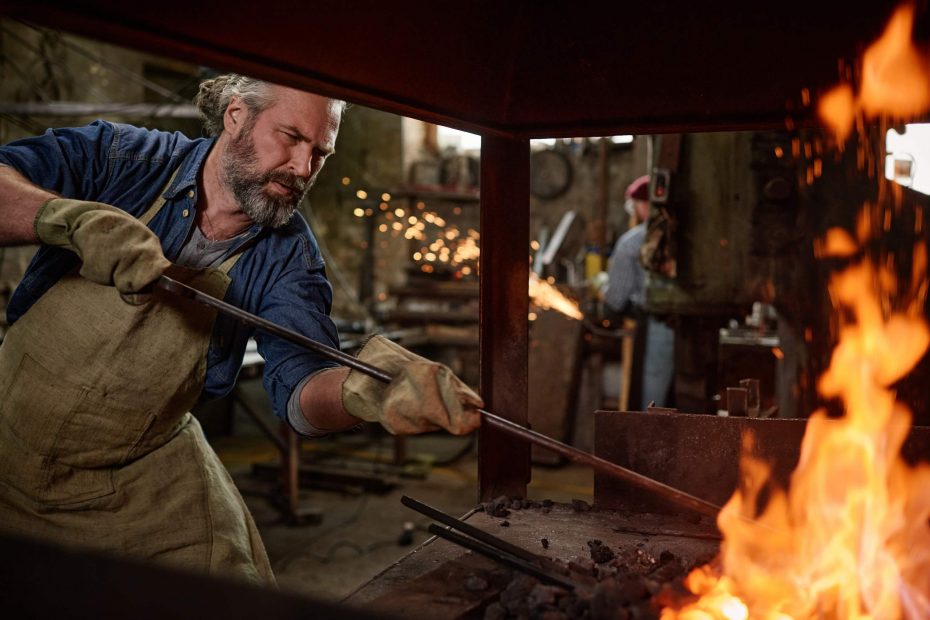
We often take forged products for granted, but have you ever thought about how they are made? The forging process takes a metal raw material and, through heat, force, and skill, transforms it into useful and artistic product: a work piece. For our students, knowing how these forged objects are produced gives them insight into the nature and possibilities of blacksmithing: its technical and creative… 

Heat: The Factor that Changes Everything About Metal

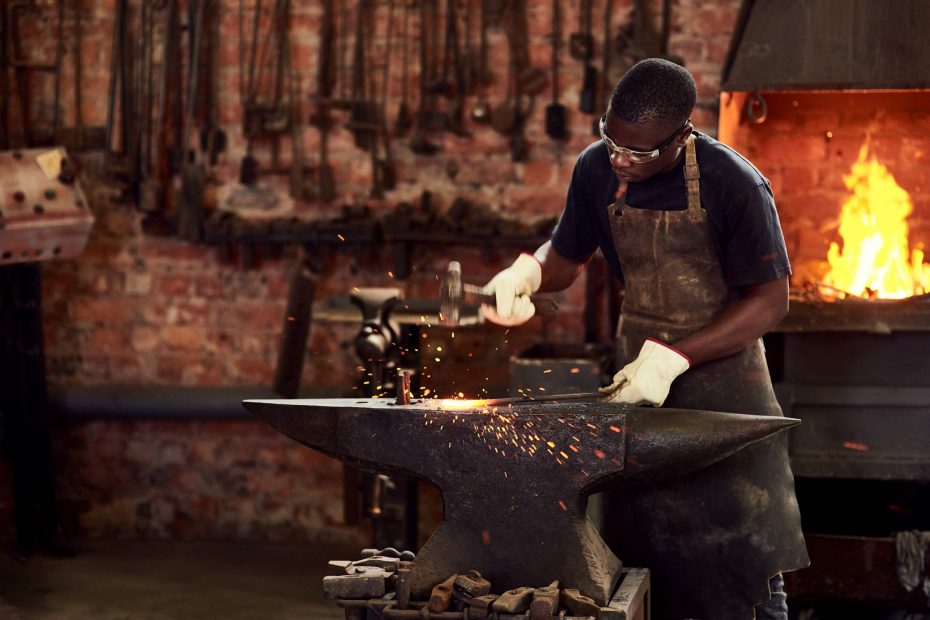
The first rule every blacksmith learns is that metal acts very differently at various temperatures. A steel bar that is stiff at room temperature, practically impossible to work, becomes pliable and easy to shape when heated in the forge. Learning about these properties is essential to making quality work that is strong, accurate, and durable. Metal’s Reaction to Heat As a metal is heated, its… 

What Separates Old-School Blacksmithing from the New

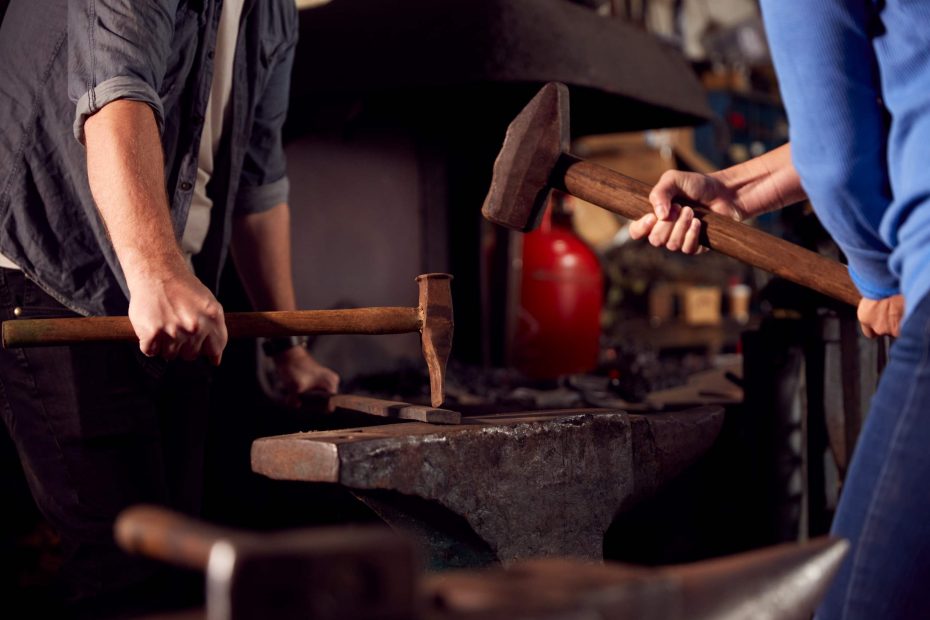
Blacksmithing is among our oldest occupations, yet it’s still changing in conjunction with newer technology and manufacturing methods. Although there is something magical about the vision of a smith working away from a coal forge, many contemporary metalworkers use both traditional methods and modern tools and materials. Traditional Blacksmithing Principles Blacksmithing works on the basis of heating metal in a forge and shaping the hot…